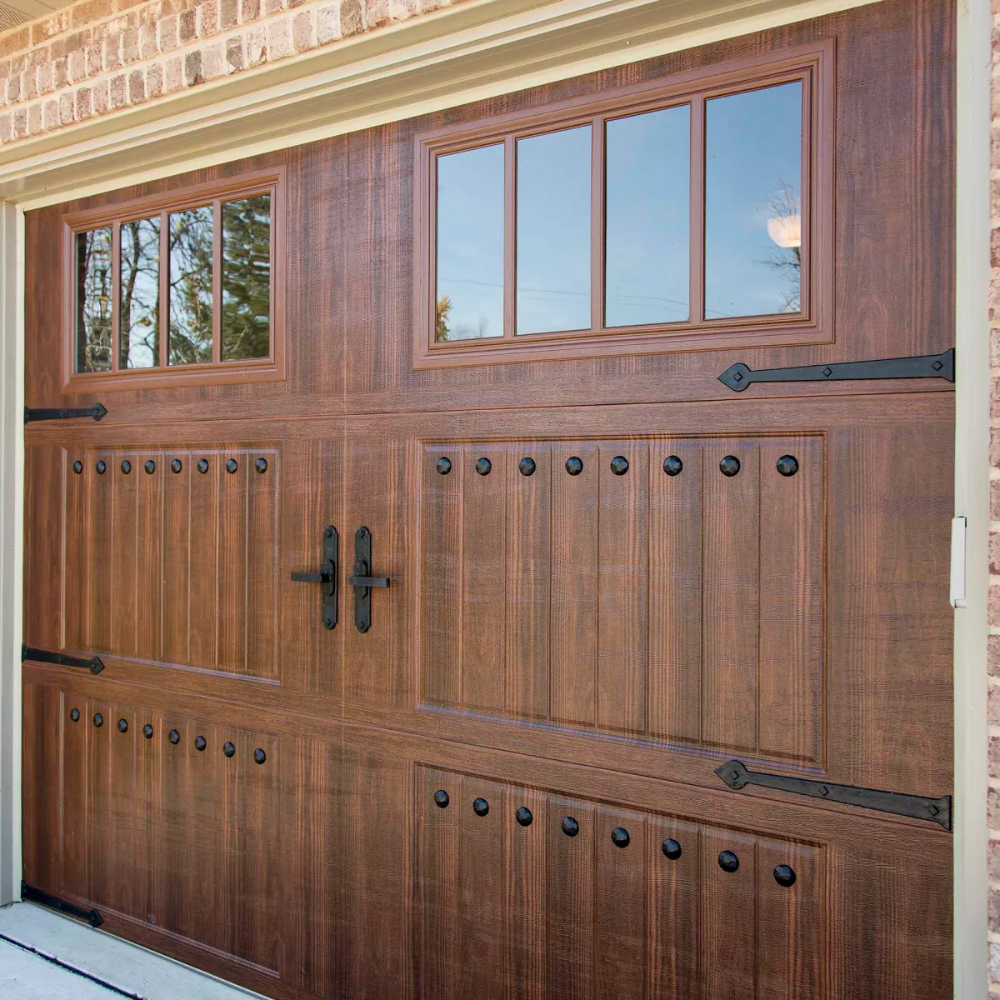
Energy-smart garage door choices for South Orange, NJ homeowners
If you live in South Orange, NJ and you’re planning a garage update, small choices during garage door installation deliver real savings. This guide walks through efficient materials, insulation upgrades, and installation details tailored to local weather, so your new door improves comfort and lowers heating and cooling costs.
Why energy efficiency matters for garage door installation
Garages are thermal weak points. A standard, uninsulated door lets cold air into attached homes in winter and heat in during summer. When a contractor performs garage door installation with an eye toward efficiency, you reduce drafts, protect belongings, and ease the load on your HVAC system. Over time, these savings offset the upfront cost of insulating or choosing higher-performance doors.
Key upgrades to consider
Below are practical upgrades that fit most South Orange residential service budgets. Each option balances cost, durability, and energy performance.
1) Insulated door panels
Choose doors with foam insulation rated by R-value. Typical options:
- Polystyrene core — lower cost, moderate R-value
- Polyurethane core — higher R-value, better air sealing
- Double- or triple-layer steel with insulation between layers
When specifying garage door installation, ask the installer for the R-value and the expected U-factor. In South Orange’s varied climate, polyurethane is often the best long-term tradeoff for energy savings.
2) Weatherstripping and seals
Gaps at the bottom and perimeter are common sources of heat loss. During installation, ensure:
- New bottom seals are durable and compress correctly against your driveway.
- Perimeter gaskets mate tightly to the frame.
- Hinges and tracks are aligned so seals aren’t pinched or torn.
3) Tight installation and air sealing
Properly installed tracks and balanced springs prevent sag and gaps. A professional approach to garage door installation includes sealing around the frame, tightening panel fit, and testing for air leaks. Tight installation reduces drafts and keeps conditioned air in adjoining rooms.
4) Windows, materials, and coatings
Windows add light but reduce R-value unless they’re insulated glass. Consider triple-pane or low-E options for any glazed panels. Finish choices (paint or factory coatings) don’t change insulation much but can reflect sunlight and reduce heat gain on warm days.
Choosing the right contractor and services
Not all installers treat energy performance the same. Look for local technicians who document R-values, demonstrate sealing, and include a post-installation inspection. You can read local projects and tips on our blog or contact us directly to schedule a home visit.
Questions to ask before hiring
- What R-value does the door provide, and how was it measured?
- Do you include weatherstripping and a bottom seal in the quoted price?
- Will you perform an air-leak test or visual inspection after installation?
- Are the springs and opener adjusted to prevent gaps and improper sealing?
For a clear scope and a price estimate tailored to South Orange homes, reach out through our contact page.
Cost considerations and local ROI
Upfront costs vary by door model, insulation type, and added features such as windows or smart openers. Typical ranges in NJ residential service projects:
- Basic non-insulated steel doors — low cost, minimal energy benefit
- Insulated steel doors with polystyrene — mid-range cost, moderate savings
- Polyurethane-insulated, double-layer steel doors — higher cost, best lifecycle savings
Estimate the payback by comparing local heating and cooling costs. In South Orange winters, a well-sealed insulated door can reduce heat loss to an attached garage and slightly lower furnace runtime. For multi-year savings, prioritize higher R-value panels and high-quality seals.
Installation timeline and what to expect
Typical projects follow this flow:
- Initial quote and on-site measurement (same-day or within a week)
- Ordering and delivery of the door (1–3 weeks, depending on options)
- Installation day (4–8 hours for standard single- or double-car doors)
- Final inspection and demo of operation
Weather in NJ can affect schedules; installers commonly plan around rain and heavy snow. If timing is important, discuss lead times when requesting services. Learn about available products and scope on our services page.
Maintenance and long-term performance
Even the best garage door installation needs basic maintenance to preserve efficiency:
- Check seals annually for cracking or compression loss.
- Lubricate rollers and hinges to keep panels aligned and sealed.
- Test balance and adjust springs if panels sag or bind.
Regular maintenance keeps seals tight and helps systems last longer, protecting the energy investment made during installation.
Local considerations: permits, warranties, and weather
In South Orange, NJ, most standard residential garage door replacements don’t require a permit unless structural framing changes are made. If you’re widening the opening, altering headers, or changing garage-to-house access, check with township building officials before work begins.
Warranties vary by manufacturer and installer. Ask for written coverage on panels, springs, and workmanship. A solid warranty and a clear installation checklist ensure your energy upgrades deliver the promised performance.
Next steps
If energy savings and comfort matter to you, plan a site visit to evaluate current leakage and insulation. A professional quote for garage door installation can compare R-values, long-term savings, and expected timelines. Schedule an assessment through our contact page to get a local estimate tailored to South Orange homes.
Frequently asked questions — South Orange, NJ
1. How does South Orange weather affect insulation choices?
South Orange experiences cold winters and warm summers. We recommend doors with at least moderate R-value (polyurethane cores are preferred) and quality bottom seals to reduce winter heat loss into attached homes.
2. How long does a typical garage door installation take?
For a standard single- or double-car door, plan on 4–8 hours on installation day. Special finishes, custom windows, or structural changes can extend the timeline — your installer should give a written schedule.
3. What price range should South Orange homeowners expect?
Basic non-insulated doors are least expensive; insulated steel doors with good R-values cost more. Expect a range from budget models to premium insulated systems. Ask for itemized estimates showing materials, labor, and seals so you can compare lifecycle savings.
4. Do I need a permit for a garage door replacement in South Orange?
Most like-for-like replacements don’t need a permit. If you alter framing, widen the opening, or change structural elements, check with the South Orange building department before work begins.
5. What warranties should I request?
Request manufacturer warranties for panels and springs and a written workmanship warranty from the installer. Make sure warranty terms cover seals, hardware, and installation defects for a reasonable period.
Helpful local resources in South Orange, NJ
- Garage Door Repair Hoboken
- Garage Door Repair Montclair
- Garage Door Repair Westfield
- Garage Door Repair Summit
- Garage Door Repair Maplewood
- Garage Door Repair Livingston
- Garage Door Repair Short Hills
- Garage Door Repair Princeton
- Garage Door Repair Red Bank
- Garage Door Repair Morristown
- Garage Door Repair Chatham
- Garage Door Repair Mendham
- Garage Door Repair Bernardsville
- Garage Door Repair Bedminster
- Garage Door Repair Clinton
- Garage Door Repair Tenafly
- Garage Door Repair Ridgewood
- Garage Door Repair Upper Saddle River
- Garage Door Repair Wyckoff
- Garage Door Repair Basking Ridge
- Garage Door Repair South Orange
- Garage Door Repair Teaneck
- Garage Door Repair Fort Lee
- Garage Door Repair East Brunswick
- Garage Door Repair Montvale
- Garage Door Repair Haddonfield
- Garage Door Repair Marlboro
- Garage Door Repair Cranford
- Garage Door Repair Voorhees
- Garage Door Repair North Caldwell